






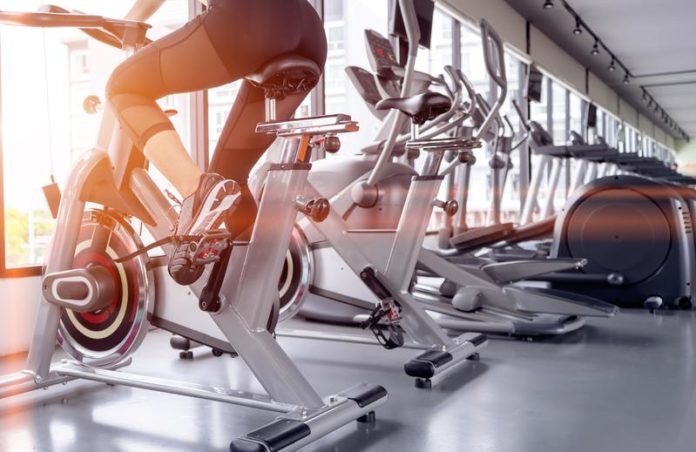
Technology That Can Make It Easier to Stay On Your Diet and Exercise Plan

0

As everyone knows, the continued evolution of technology has made our lives easier in many respects. One such example is the incredible ways in which technology has made it easier to exercise, diet and get into better shape. These technological evolutions have made amazing things possible; here’s a look at three such examples.

Wearable Devices

Wearable devices can keep track of a variety of important exercising metrics, including your pulse and daily activity. Many of these devices also can automatically be charted, graphed or imported into a variety of exercise apps, giving you an accurate reading of your daily activity and enabling you to see which parts of your physical routine you need to improve.

Apps

90% of diets fail, but by using apps that help you keep track better you don’t have to be worried about failing. Thankfully, there are no shortage of good apps which you can use. These apps run the gamut when it comes to diet and exercise. For example, you can use a variety of apps to look up the calories of food and manage what you eat and drink. These apps essentially act as a log which make it easier for you to track the number of calories you consume every day. You can also usually input your daily exercise, enabling you to get a full sense of how many calories you have to play with.

Instructional Videos

Previously, one of the biggest barriers to using the gym was the lack of knowledge when it came to how to use certain pieces of equipment. That is no longer a concern. The internet and YouTube are replete with an array of instructional videos which can help teach you how to safely use equipment and give you recommendations for starting weight and sample exercises. Since you can view these on your phone, you can literally watch a video, put the phone back in your pocket, and get to work.

Thanks to the evolution of technology, it is easier than ever before to stick to a diet, learn how to exercise and essentially have a personal trainer in your pocket. Typical barriers, such as cost or a lack of expertise, have fallen by the wayside. If you are interested in getting into shape or eating healthier, you now only have to visit your app store and you will have everything you need.

Interested in technology and healthy living? Here’s another article you might like:

https://technewsgadget.net/2019/08/6-health-gadgets-to-help-you-live-your-best-life/
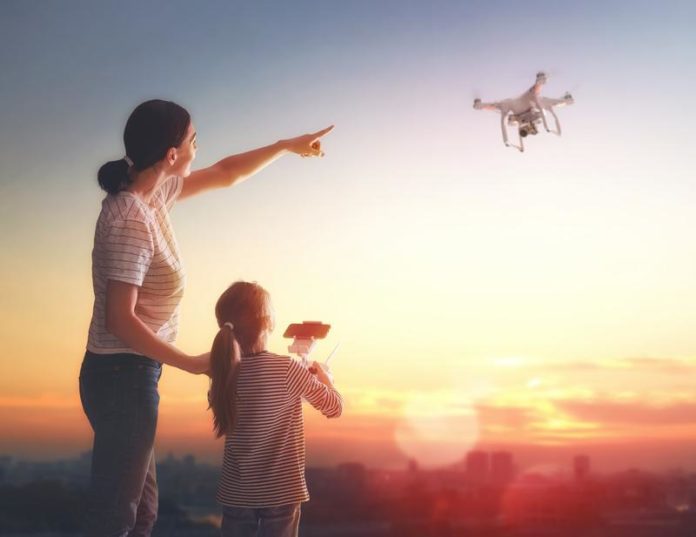
How You Can Buy a Drone Without Breaking the Bank

0

Drones are quickly becoming one of the most “must-have” items in the technology field, and if you don’t have one yet, you probably want to get one soon. But unless you work in a field that requires you to use a drone professionally, you probably aren’t wanting to spend a fortune on something you’ll end up using for entertainment more than anything else. Here’s a look at some ways you can get a drone without breaking the bank.

Be Specific With Needs

Drone prices vary wildly; toy drones can be bought for as little as $20 while professional-level drones can cost you around $1,000. One of the best ways is to make sure you don’t overspend. If you’re looking for a drone to fly around for a couple of hours on the weekends that can do some flips and basic tricks, you don’t need to spend a ton of money on something with a hi-def camera that can fly for hours on end. Before you make a decision or even start really looking, decide what you need out of your drone. Wondershare Filmora recommends that you ask yourself some questions and decide what you’re looking for. Basic recreational level drones don’t cost nearly as much as professional-level options.

Shop Around

Unless you go into a big-box store, you’re probably going to end up ordering your drone online. There’s absolutely nothing wrong with that, especially since it will enable you to see a wider variety of options as far as features and pricing. However, it’s vital that you do your homework on what you’re ordering from the internet. Common sense indicates that a drone with expensive parts will cost you more as a consumer, while a cheaper made drone will cost less but could have issues down the road. Domestic items often cost more while drones manufactured in China may be cheaper. When buying drones or drone parts directly from China, you need to check the company you’re ordering from carefully. While it can be a great way to cheaply find parts or models, the lack of oversight means there could be many low-quality knock-offs that won’t hold up, according to TonySourcing.

Don’t Be Afraid to Buy Used

If you’re looking to buy a relatively inexpensive drone, don’t rule out the concept of buying a used one. There’s a chance that you’re going to decide that drone flying isn’t the right hobby for you (and that’s OK), but that means other people may have decided it wasn’t right for them too. While you can find used drones for sale on social media or online auction sites, that may not be your best route. Unless you personally know the seller of the particular second-hand drone you’re looking at, check out some reputable drone selling sites to make sure you get what you’re looking for, says expert Quad Hangar.

Buying a drone doesn’t have to cost a fortune. There are lots of ways to figure out exactly the type of gadgets you want, how to use them, and where to buy. Find what you need, and happy flying!

How the Digital Age Is Changing the Used Car Buying Experience

0

The car buying industry has been one of the most stagnant and slow to adapt markets in the consumer world. The traditional model of blindly visiting your local used car dealer and putting your fate in their hands remained the only car-buying option until recently. However, in the same way that the digital age has revolutionized so many other aspects of our lives, the used car buying experience is finally evolving. While this is almost entirely a positive change for the consumer, the process is not without its risks.

Research

Arguably the most important aspect of any used car buying experience is research. This research covers a multitude of factors, including the reliability of certain models, the reputation of specific dealers, or even the price you should pay. In the past, conducting comprehensive research was extremely challenging, if not impossible. However, the power of knowledge is finally in the hands of the consumer. There are now countless websites that provide any amount of information a car shopper could buy. One of the most important pieces of research that a consumer can conduct is to review the reliability ratings of the models they are considering. These ratings often go beyond simple scores and instead function as highly in-depth analyses of the strengths and complications of any make and model. People can now know more about a car before buying it through the information available from vin reports, reviews, and other websites. Beyond researching the cars, themselves, the digital age has also empowered shoppers to research specific dealers. It is now effectively impossible for a dishonest dealer to hide behind a flashy facade; if they have earned a bad reputation, it is now trivial to find out why. Lastly but arguably most important is the ability to research the price to pay. Never before has a customer been more able to compare prices and thus walk into a dealership wielding a competitive offer.

Social Media

Social media has also played a surprisingly powerful role in transforming the used car buying experience. Rather than heading directly to a dealership, more and more people are using options such as Facebook Marketplace or Craigslist to find their new car. These options not only broaden the choices available, but they reduce the cost associated with a needless middleman. Even if they choose to buy a car from a traditional dealer, social media is now serving as a powerful sounding board where people can ask and gather opinions of cars, dealers, or options.

The Consumer Is No Longer a Passive Observer

The amount of power and information available to a used car shopper can at times be overwhelming. However, the available websites do a fantastic job of organizing and categorizing information, making the process as easy as possible. While focus and a plan of attack are crucial in the car shopping experience, the playing field has never been more level. Thankfully, the changes seen so far have been almost universally positive.

It is likely true that the traditional dealership network will continue to go through various growing pains as the industry continues to evolve. However, the most likely outcome is a continued positive transformation for everyone involved.

Here is an article you might enjoy:

https://technewsgadget.net/2019/10/technological-solutions-to-protect-you-from-spam-calls/

Do You Really Need to Constantly Upgrade Your Phone?

0

Whether you keep seeing people with sleek new gadgets or it’s the ads that draw you in, you aren’t alone in wanting to upgrade your phone. But do you need to do it each time a new device comes out? Sure, a new phone would be nice. But if you want to save money and think practically, it’s a good idea to think carefully before you pull the trigger on a brand-new device.

It Isn’t Really Something You Need to Do to Keep Up

Lots of people are tempted to upgrade their phones because they fear to look out of touch. However, recent research suggests that if you do this, you’re actually in the minority. Most Americans now upgrade their phones every three to five years. Plus, if you stay a model year or so behind, you’re likely to save a significant amount of money. When new models come out, they often are over $1,000, although that price drops sharply after a year or so on the market.

Most Phones Function Just Fine

Before you decide to buy the latest upgrade, make sure you compare features. In many cases, they’re likely to be similar. Businesses make money buying old phones because the technology isn’t that outdated. While some manufacturers include new updates that are drastically different, in many cases, the differences between model years are very small. Unless a new model has a feature you really want, like VR capabilities or a virtual assistant, you may be better off keeping your current phone.

Is Your Battery Life Slowing Down?

Of course, while many people want to upgrade simply for the sake of upgrading, it’s a whole other story if your phone is starting to lose function. If your battery life is starting to slow, it might be time for a new phone. If you’re determined to keep your old one, you may be able to replace the battery yourself. There are lots of places online that sell new phone batteries. However, in some models, working on a phone voids the warranty, so this probably only a good idea if your phone has no warranty or if you’re proficient in battery replacement.

Unless you have plenty of disposable income, you may want to think again before upgrading your phone. By waiting for a little and continuing to use your current phone until it starts showing noticeable signs of wear, you’re likely to save yourself a considerable amount of money in the future.

Here’s another article you might enjoy: Bigger or Smaller: Where Are Smart Devices Going Next?

Are You Ready For 5G?

0

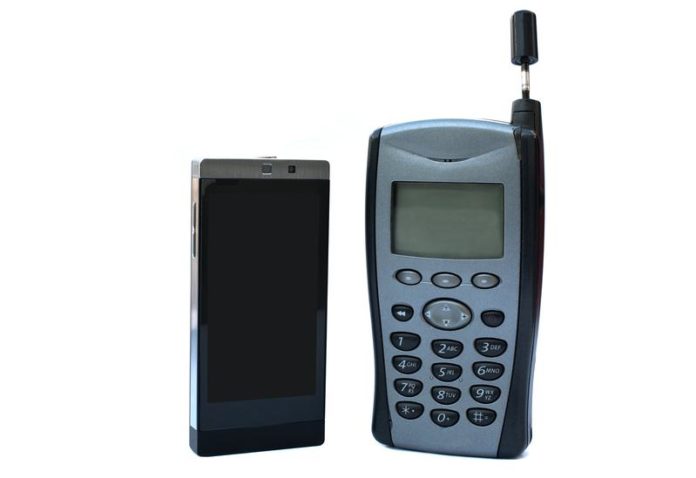
The use of cell phones has become so commonplace that we really can’t imagine life without them. Whether you want to surf the web, send a text or play your favorite game, your phone can now compete with a laptop in terms of data speed and function. While the first commercial cell phone was released in 1983 and lasted only 30 minutes, the newest 5G technology can nearly match a wired network in terms of speed and data transmission.

What Are These Gs?

The G stands for generation of cell phone network. The higher the number is before the G, the more recent the technology is. When cell phones first appeared on the scene in the early 1980s, they were only designed for voice communication and worked entirely on analog systems. In the early 1990s, 2G technology was the first generation to use digital tech, according to Be Business Ed. 2G was a huge leap forward in terms of both speed and security; it was able to transmit data at speeds of 14.4 Kbps, which made 2G able to compete with the modems of the era in terms of speed. In 2001, third generation technology or 3G was introduced. It was a giant leap forward for cell phone technology, giving us speeds that were roughly four times faster than 2G speeds. With data speeds of 200 Kb per second to 7.2 Mb per second, 3G speeds were a significant improvement with an average data transmission speed of 384 Kbps. 4G has had an average data speed of 100 Mbps — but 5G? 5G tech offers us a blazing 10 Gbps.

What’s the Next Generation Looking Like?

The fast speeds of 5G promise to change our lifestyle landscape. Besides faster gaming and smoother streaming, 5G will soon give us the possibility of self-driving cars, faster video conferencing from our smartphones and generally facilitating the Internet of Things. 5G technology has been available in the United States in select cities since December 2018. However, it’s expected to stretch into 2020 and later before the majority of the USA has extensive 5G coverage. The highest speeds expected with the 5G network are up to 20 gigabits per second in the hotspots, according to CPSB.

5G technology uses 24.25 GHz bandwidth, which is adjacent to the 23.6 to 24 GHz band that is used by NASA and NOAA. Agencies such as NASA and NOAA have complained to the FCC that extensive commercial use of 5G bandwidth will interfere with their studies. They have complained that it will create “noise” in their signal, particularly in major cities. The federal agency states it may affect the agencies’ ability to predict hurricanes. This may be delayed up to two or three days if no bandwidth protections are put into place by the FCC.

What Can We Expect for Our 5G Landscape?

Joining NASA in the complaints to the FCC about bandwidth regulation are NOAA, the US Navy and Boeing, to name a few. However, the current seems to be unstoppable; 5G technology is currently offered in approximately 20 US cities, and more are still to come, according to TMobile.

With such large consumer demand for 5G technology and the increased function it will bring, it will only be a matter of time before 5G is available across the country. Be sure to stick with us for timely reporting of current trends in technology to be prepared for the future.

Updating Your Digital Security: 3 Places You Might Not Think About

0

When it comes to digital security, the first thing that usually comes to mind is protecting your computer. You’ve heard the horror stories about hackers getting into personal data and stealing people’s personal information, and so, like most people, you make sure that your computer is protected. However, there are other devices that are vulnerable to breaches that you may not be aware of.

Your Phone

Phones are one of the main targets of hacking other than computers. Yes, phones can be tapped and conversations intercepted. However, many people use their phones virtually the same way they do their home computers if not more. With so many business transactions taking place online, it is common for people to use their phones to make purchases. That means that your phones store just as much of your personal information as your computers and should be protected as well. If you notice that your phone is running very slowly, that your data usage has increased, or that you have unfamiliar apps, you should change your passwords immediately.

Gaming Servers

When choosing to play games online, it is important that you only deal with trusted sites so that your digital security isn’t compromised. Hackers can pose as anything nowadays in order to obtain access to your personal information. Hackers can use phishing techniques as a means of accessing your account passwords and other information. A lot of times, they will send bogus emails that appear to be from the company so that they may get your information. Some hackers go above and beyond the consumer and aim right at the company through methods such as denial-of-service, where they prevent customers from accessing the site. According to Host Havoc, Denial-of-Service (DoS) and Distributed-Denial-of-Service (DDoS) style of network attacks are more common than you’d think on unprotected game servers. Server hosting is a good way to help online gamers eliminate these attacks by keeping your server protected and running efficiently.

Smart TV

While this may be one of the last places you would think is vulnerable to cyberattacks, remember that Smart TVs are basically computers. Any device that you use to access the internet can be susceptible to cyberattacks and needs to be protected. Just like with your phone or computer, you should keep your Smart TV protected as well. If your TV has a webcam, make sure to keep it covered when it is not in use. This will keep hackers from being able to spy on you through the lens of your Smart TV. According to Thomas-Fenner-Woods Agency, Inc, you can also sometimes get special insurance that protects you from liability from cyber attacks through Smart TVs or other devices. It’s important to do things like these to protect yourself or your business from digital hackers.

As technology becomes more advanced, unfortunately, so do the hackers. Properly securing your devices and information requires you to be proactive so that you can prevent any issues from occurring. Covering device cameras, disabling your Bluetooth, and not accessing unfamiliar sites are all things that can help keep you and your devices hack-free.

Here’s another article you might like: Why You Need to Monitor Your Applications More Closely

Smart Home Devices for Your Outdoor Space

0
Orlando,FL/USA-10/10/19: A person pressing a Ring doorbell that has a motion sensor camera and is a smart home security company owned by Amazon.

When people think of smart home devices, their minds automatically go to devices that are used inside of the home. From audio systems that flood music throughout the house to intricate lighting setups that are programmed with the home’s owners preferences, like having the lights automatically dimmed throughout the house at 8pm. Smart home devices have simplified indoor living spaces. There are plenty of outdoor smart home devices that are just as helpful. if you’re looking for smart home devices that can help your outdoor space, check out some of the info below.

Wireless Thermometer

If you spend a lot of time entertaining outside, you need to make sure that the weather is working hand-in-hand with your plans. Wireless outdoor thermometers are the perfect tools to help you ensure that you get an absolute accurate reading about what the weather is like outdoors so that your plans go off without a hitch. Many of the best thermometers have built-in humidity sensors that can help you keep track of how much moisture will be in the air in addition to measuring the temperature. You just need to make sure you place it in an area that’s covered since they are usually not waterproof. A wireless thermometer can also help you determine what kinds of materials you should use when selecting your outdoor deck and outdoor furniture material. According to Deck Remodelers, you should build your deck in a way that can withstand the elements over time.

Security Cameras

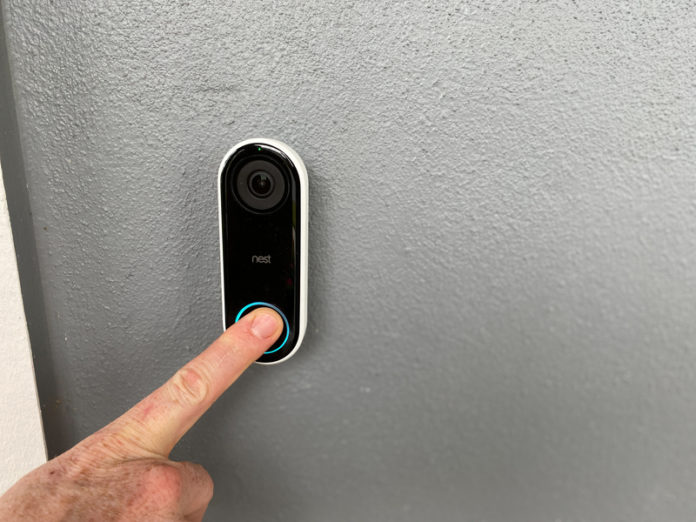
A security camera is one of the most important smart home devices any homeowner or renter can install. According to AMP Smart, the average burglary victim loses around $2400. Security cameras allow you to be able to keep eyes on your home at all times, even when you’re not on the premises. They allow you to be able to see who’s at the door before you open it, especially with options like smart doorbells. Things to consider when choosing a home security camera include figuring out whether you want it to run over Wi-Fi or cellular, whether the camera is accessible via an app, and whether you want a constant live feed that you can check on whenever you wish or if you’d prefer a camera that makes a recording whenever it detects movement.

Robotic Pool Cleaner

Having a swimming pool is awesome. Having to clean it on a regular basis is not so awesome. A robotic pool cleaner operated by smart home technology is the perfect solution for busy homeowners who want to be able to swim at a moment’s notice but don’t have the time to perform constant maintenance on their pools. According to Solar-Breeze, many of these are suitable for use in both inground and above ground pools. You can control these robots via app so that you can clean the pool while you’re away from home. 

Taking smart home technology outside can help you maintain the same level of control outside of your home that you have inside. Take a look at your outdoor space, and figure out what you need.

Thinking about the best smart home technology for in your home now? Read How Tech is Making Our Homes Smarter and Safer next!

Technology That Makes Riding Motorcycles Safer

0

Few things can bring you the joy and freedom that cruising the roads on a motorcycle does. While the openness and lack of enclosure mean you can experience the wind in your face and all the best sights of the countryside as you ride past, it also means that you are exposed in the event of an accident. Thankfully, new technology is emerging that can help riders stay safer than ever.

Airbag Clothing

Airbags are one of the greatest safety advancements we have seen in cars. The open nature of a motorcycle has prevented them from incorporating this technology, but new advances have started to put the airbags in specialized biker clothing instead. Airbag clothing can help riders avoid the serious injuries associated with motorcycle accidents. Available in jackets, vests and full body suits, the clothes work by having sensors that can detect an impact and instantly inflate. This can protect a rider’s vital organs and provide a cushion for both ground or vehicle impacts.

Helmet Technology

Helmets for motorcycle riders are nothing new, but that doesn’t mean technology can’t improve this old standby. New materials are starting to replace the old expanded-polystyrene standard. Composites of kevlar and fiberglass, and even brand new materials like Koroyd, are better suited to absorbing impacts and shielding your head. Interior-helmet options, like multi-directional impact protection systems, allow the helmet to rotate on your head to a greater degree, giving more concussion protection. Meanwhile, augmented reality and heads up displays are nearing viability for helmets as well, which will give riders unprecedented views of the roadway, even in sub-optimal conditions.

Anti-Lock Braking

Another big car safety advance now making its way to motorcycles is the anti-lock brake system. As with cars, ABS systems on motorcycles prevent brakes from locking and causing dangerous skidding, resulting in significantly reduced stopping time and distance. Because the system works automatically, it is almost always faster than human reflexes and will pop into action when you need it the most, such as when a car swerves in front of your motorcycle. ABS on motorcycles results in a 31 percent reduction in fatal accidents across comparable models.

V2V Systems

One of the biggest issues faced by bike riders is visibility. All too often, enclosed vehicle drivers just don’t pay enough attention and don’t see a motorcycle before they change lanes or make a turn. A promising development that may help take this aspect out of human hands is vehicle-to-vehicle communications systems. To put it simply, a V2V system lets all vehicles— cars, motorcycles, delivery vehicles and even big rigs—communicate with each other and ensure all vehicles are aware of each other. By outsourcing vehicle awareness to a computer, a warning will alert or even prevent a driver from performing a dangerous maneuver. When that SUV tries to pull out in front of you, an alarm will sound to alert the driver to hit the brakes, letting you ride past safely.

We all know the road can be dangerous. Between drivers under the influence or fiddling with phones, it can be especially hazardous for a motorcycle rider. However, with new and emerging safety advances, riding your bike is becoming a much safer endeavor.

Here’s another article you might like: Unusual Vehicles You Have Never Seen Before

#203 Leading Up To Worlds 2019

0

What a crazy week it’s been, let’s catch up with the latest news and happenings. Plus, how in the world did both IG and SKT get knocked out at the semifinals stage at Worlds 2019, when they are the defending world champions?

Listen Now

We Need You To Join Us

Do you love talking about tech, gadget and/or gaming news? So do we! Join the best Facebook group over at http://facebook.com/groups/latestintechnews

Article Links:

Watch On YouTube

Play

Did we miss something on the show? Let us know on Twitter at @technewsgadget! Have news you want to share? Submit it here.

Technological Solutions to Protect You from Spam Calls

0

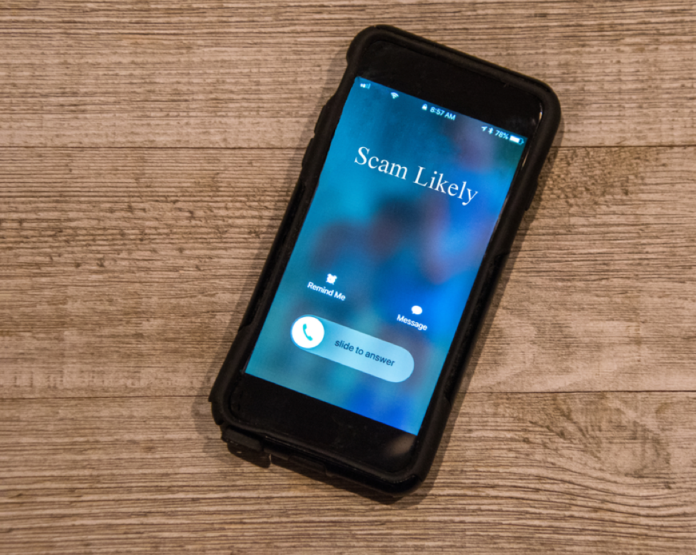
No one enjoys receiving spam calls; they’re just plain annoying. It seems like every time your phone rings, you run the risk of answering a potential spammer, and the callers are usually relentless. Those spammers will call any number repeatedly if someone answers. So, what can you do to stop the madness? Well, technology now provides you with some protection options to avoid these callers.

Apps

As smartphones gain technological traction, apps continue to be developed to stop spam calls. If you have a smartphone, you can download the apps from your carrier’s designated app store. Regardless of your device, you should be able to find a compatible app. While there are many relevant apps available for download, some of the most popular include Nomorobo, Truecaller, and Hiya. Each of these apps works in slightly different ways, but what they all have in common is the ability for the user to reject spam calls. They’re definitely worth a download if you’ve found yourself suddenly swamped with spammers.

Call Screening Services

With the invention of the caller ID, phone use changed forever. Suddenly, you could see the number of incoming calls. Caller ID doesn’t always tell you who’s calling, so call screening can help you pinpoint calls that are irrelevant, such as recorded spam. Some spammers may have their numbers blocked, so your phone’s caller ID says something like, “Unknown Caller,” or, “Blocked.” You may find this frustrating, but it’s still useful as you can just reject an unknown number calling your phone. Additionally, caller ID usually shows the general area associated with the area code. You never have to answer a call from a number or location you don’t recognize. If you receive an incoming call that looks suspicious, you’ll be armed with the caller ID in addition to your ability to screen those calls.

Use Your Carrier’s Blocking Services

Nowadays, you can directly block unwanted numbers right from your phone. On iPhone, if a suspicious number of calls, you have the option to block the number from calling again directly from the call log. Samsung has a similar feature that also allows you to quickly accumulate your list of blocked callers. Alternatively, cellular carriers typically have options to block certain incoming calls. Verizon, for example, provides a call-blocking service for new members. (You always have the option to pay for the service for a couple of dollars a month, too.) AT&T, Sprint, and T-Mobile also offer similar programs to avoid unwanted calls. Whatever you choose to do, know that you never have to accept calls from potential spammers. 

It’s hard to know when you’re receiving a legitimate call or a spam call, but luckily, technology helps to narrow down the confusion. By using specialty apps, you can easily block out spammy callers. Similarly, your cell phone carriers typically offer some sort of service for call-blocking. Stay vigilant and always screen your calls to ensure you’re staying safe.

Read more: Apple and Google remove ‘Find &Call’ app from their online stores

883FansLike
79FollowersFollow
1,862FollowersFollow
991FollowersFollow
157SubscribersSubscribe

TechNewsGadget - Latest Gaming & Gadget News

9 User(s) Online Join Server
  • Discord.Me
  • Terbius
  • MEE6
>