#206 SETI@home Comes To An End

0

After 21 years, the SETI@home project is coming to an end. I actually tested this project out myself at least a decade ago and thought it was pretty neat. While this project may be ending, if you are looking there are other replacement projects that might pique your interest.

Listen Now

We Need You To Join Us

Do you love talking about tech, gadget and/or gaming news? So do we! Join the best Facebook group over at http://facebook.com/groups/latestintechnews

Article Links:

Watch On YouTube

Play

Did we miss something on the show? Let us know on Twitter at @technewsgadget! Have news you want to share? Submit it here.

#205 Halo: CE Is Back On PC

0

Quick show as I’m going to a showing tonight of the newest Sonic movie, but no worries I have some news for everyone!

Listen Now

We Need You To Join Us

Do you love talking about tech, gadget and/or gaming news? So do we! Join the best Facebook group over at http://facebook.com/groups/latestintechnews

Article Links:

Watch On YouTube

Play

Did we miss something on the show? Let us know on Twitter at @technewsgadget! Have news you want to share? Submit it here.

How Technology Is Making Travel Easier

0

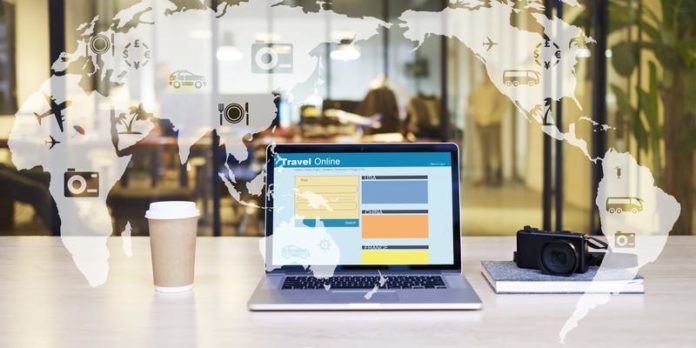
As in other areas of life, technology has made traveling easier than ever. In the past, one often needed to rely on a travel agent’s wisdom to ensure smooth a smooth journey—and even then, any number of things might go wrong. Technology has enabled the modern traveler to take a more hands-on approach to travel. Millennials, unsurprisingly, have embraced the increased flexibility technology affords, but these developments will benefit anyone desiring both a less stressful and more adventurous journey. Here are just a few ways technology is making travel easier than ever before.

Ease of Research

Gone are the days of relying on a travel agent for the low-down on travel spots. Nowadays, all one needs is a browser. More importantly, the quantity and quality of available information are unprecedented. A multitude of websites feature testimonials and advice from seasoned trekkers about where to stay and what to do. Many sites cater to niche interests and are especially useful for those looking to avoid touristy destinations.

Choosing Where You Stay

Likewise, vacationers are spoiled for choice when it comes to places to stay. Booking your stay has never been easier. No longer tied to motels and hotels or staying with friends and relatives, with the help of apps like Airbnb, VRBO, and Couchsurfing, one can stay in off-the-grid places like hostels and private houses. Such options are perfect for those traveling on a budget, or who want the experience of staying in local neighborhoods, or who like the convenience of having amenities such as a kitchen or washing machine. Vacation rental earnings are expected to grow over the next few years, so one can expect no shortage of places to stay both nationally and internationally.

Getting Places

Web mapping services like Google Maps offer not just the maps of old but also real-time condition reports. They assist in navigating not just streets and terrain but also unpredictable local conditions such as traffic and weather. In the past, often one could end up stuck or even stranded in an unfamiliar setting. Now, the intrepid nomad can easily bypass potential misfortune with but a quick glance at their smartphone.

Translation

One of the most overlooked travel boons afforded by technology must be translation apps. In the past, when staying in a foreign locale for any substantial length of time, you might need a language course prior. Or at the very least, have a phrasebook at the ready. Neither option guaranteed being understood by the locals, particularly when encountering local dialects. Today, your smartphone can launch increasingly powerful translation apps. They do everything from translating street signs to real-time voice translations. Best of all, many are free.

Electronic Payments

Digital wallets and electronic payments are another overlooked advance. Granted, in the past, traveler’s checks ensured a degree of safety. They were refundable if lost or stolen. However, digital wallets provide an even greater measure of safety as the user’s credit card and other information are encrypted–thus useless to a would-be thief. It also provides convenience. An e-wallet can be linked to multiple funding sources, including credit cards, checking and online payment platforms like PayPal. Finally, e-wallet money transfer apps can handle currency conversions on the fly. No need to worry about obscure currency exchange rates that can fluctuate widely. Digital wallets offer a flexibility that traveler’s checks can never match.

Lighter Suitcase

When the iPod and smartphone arrived in the 2000s, they set off a revolution in how we consume media. Their small form factor played a sizable role in their immediate adoption, and nomads quickly grew to appreciate the extra space now present when packing for an extended trip. Instead of making room for a camera, MP3 player or books, today a single device stores all of this media and more. Packing may still be an art, but these devices free up a lot of space.

Digital Photography and the Cloud

Digital photography enabled novice shutterbugs to learn their craft without worrying about the cost of film. Today, even casual photographers can take great-looking photographs with their smartphones given recent hardware and software advances. A tourist can document an entire trip with their smartphone and not have to worry about expensive and delicate camera gear. As onboard memory becomes full, all one needs is an internet connection to back up these precious snaps. Cloud storage services have become ubiquitous and many are cheap or even free. Some, like Google Photo and Flickr, cater to amateur and professional photographers alike, offering vast storage plans and built-in filter apps. Best of all, the traveler can archive their photos throughout the journey.

Keeping in Touch

In years past, conferring with family and friends back home could be a frustrating proposition. Phone calls could be prohibitively expensive—if indeed a phone could even be found in some locales. Likewise, letters and postcards might take days and weeks to reach their intended recipients. Nowadays, communication is decidedly cheaper and easier. Social media sites like Facebook and Instagram allow for frequent, instantaneous status reports. Telecommunication applications such as Skype enable the traveler to call family at a far cheaper per-minute rate than previously. In fact, given a decent internet connection, Skype and other services allow the vacationer to view and hear far-away loved ones. Keeping in touch has never been more stress-free.

Technological advances have made travel undeniably easier. However, as these examples illustrate, tech has had another, perhaps more subtle effect. Explorers can now personalize their travel experience to an unprecedented degree. Thanks to the internet, off-the-beaten-track destinations are no longer tightly held secrets. Likewise, smart tech means that travelers can revise itineraries on the fly in the midst of their journey. If time and resources permit, a tourist might decide on a whim to travel to an unplanned locale, armed with a knowledge of what to expect. Meanwhile, the traveler can fully–and attractively–document the experience from beginning to end. Next-generation technology, in short, has provided unparalleled options for trekkers.

Here’s another article you might like: Generation Z, the Smartphone, and Travel

2020 Show Updates

0

And just like that, we’re over a month into 2020! We have some show updates to share with you and we’re looking for your feedback! Let us know, we appreciate your support!

Listen Now

We Need You To Join Us

Do you love talking about tech, gadget and/or gaming news? So do we! Join the best Facebook group over at http://facebook.com/groups/latestintechnews

Watch On YouTube

Play

Did we miss something on the show? Let us know on Twitter at @technewsgadget! Have news you want to share? Submit it here.

How Technology Makes Surgical Procedures Less Risky

0

Surgery continues to move further into the age of robotics and other technological methods of making surgery safer and with less risk for the patient. Noninvasive brain and other surgeries, as well as virtual surgery, are becoming more common with fewer lives lost. New inventions can be implanted into the body of a person who has cancer that will tell the doctor how the cancer-fighting medications are faring and which ones are actually doing the job they are meant to do, which is to kill the cancer cells. It is becoming more likely that the next time you have surgery you will not have to undergo invasive treatment to fight your disease.

Simulated Surgery

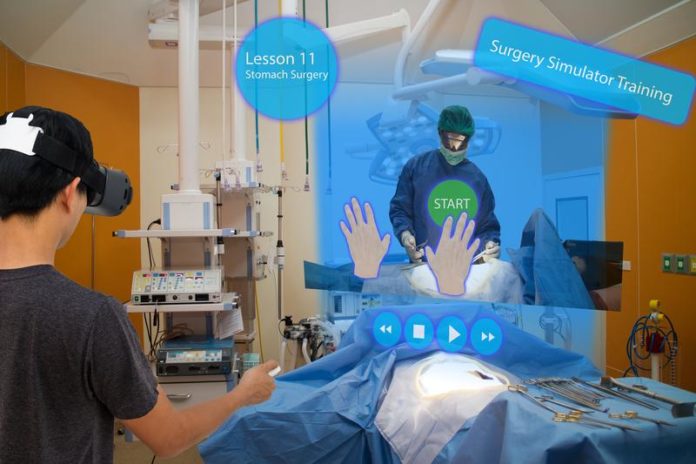
Many people like video games, but did you know that they are also being used to improve surgical procedures? Making a game of surgery has become increasingly popular and has been helping to save lives. With the use of graphics and virtual reality, surgeons are able to practice new and/or unfamiliar surgeries without fear of harming the patient. These methods are not unlike playing the games that the surgeon quite possibly grew up on or even play now. The surgery in question is programmed as closely as possible to the actual surgery along with mistakes that could happen programmed as well. If the surgeon does option one then this will be the outcome. It gives the surgeon a chance to learn before putting scalpel to the skin and therefore potentially saving a life before the surgery begins.

Someday simulated surgery could be used for all surgeries, but for now, it is most effective for those difficult or delicate procedures due to cost. Surgeries on the brain, eyes and facial reconstruction are some of the most widely tested surgeries via simulation. These are all very complex surgeries, so the fact that doctors can practice these surgeries beforehand is very helpful for their training.

Alternative Methods

Almost any alternative to going under the knife is preferred by both patient and physician. Laparoscopy has been found to perform surgery with safer results, less fear of infection, and faster recuperation. Not only that, but it is also less expensive to perform and for the patient in the long run. Orthopedists are finding that acupuncture and chiropractor visits for shoulder and other skeletal surgery can benefit the patient with less pain with often the same results. Stem cells are being used to restore delicate joint tissue in rotator cuffs and other areas with degenerative disease.

An alternative to weight loss surgery called CoolSculpting breaks down fat cells. Its spot freezes the fat in problem areas with cryolipolysis. CoolSculpting can be used in delicate areas such as chin and jawline as well as common areas of surgical reduction like tummy, hips, and thighs. This non-invasive method of killing fat cells can transform your body without surgery, and the dead cells will leave your system after several months’ time.

Huggable Robots for Kids

Gauging a child’s pain can be difficult, especially when they are too young to express what’s going on with them. Huggable is a cuddly bear with robot insides. This squeezable invention eases pain in children and adults, making hospital stays and illness easier to handle. Playing with Huggable can take a child’s mind off of pain or being away from home. When a child is hurting, the strength with which she hugs Huggable is captured and data translates into how much pain she is in. Kids can talk to Huggable and perhaps say things they wouldn’t say to their parents or the medical staff. Huggable can talk back, and the conversations are collected and help the doctor in further diagnosing and treating the child’s illness. Huggable is also available for use with a screen, and some kids might prefer that to the cuddly stuffed version.

Adults like to hug Huggable as well, but they also use him for company or for having someone to talk to when they’re lonely or for playing games. Adults often cannot express their fears and pain just as children cannot. Huggable can be used for patients with Alzheimer’s disease or other diseases that have caused speech and cognitive difficulties. Huggable can take them back to their childhood and, as with kids, can be a comfort in a scary place.

So much of technology seems to be from another world, and that is not apt to change. The more we learn about human beings and technology; the more inventions are being created to help bridge the gap between the two. Invasive surgery is not the only way. Patients heal better with less pain and less intrusion into their bodies. It is becoming possible for science and humanity to coexist.

Here’s another article you might like: How Technology Can Make Employee Training More Effective

How the Internet Has Made It Easier to Find the Perfect Job

0

Unlike the old days where people consumed a lot of time and energy in their daily activities, today, technology has made life easier. It has effectively answered the question of convenience and flexibility. More and more innovations emerge every day and have been adopted in various sectors, and the employment sector is no exception. Forget about the traditional ways of perusing newspapers to check for job advertisements or knocking from office to office to drop your CV. Nowadays, things are much better and easier, thanks to technology. Just one click on your device and you access multiple job opportunities. Here are a few ways that technology has transformed the job-hunting experience.

Online Degrees and Training

The impact of technology on education is phenomenal. Today, earning a degree doesn’t necessarily require you to attend face-to-face classes. The internet has made it possible for people to access information across the globe from the comfort of their locations. Learning has made it easier since you can choose the best time to study that suits your schedule. Similarly, there are several courses to choose from. Also, according to Career Step, online training allows you to go at your own pace, is more affordable than being at a physical college campus, and provides an opportunity to have a successful career while still being able to fulfill other responsibilities. You can also use online training as a step to achieve your dream job or position.

Networking Platforms

Social media has made networking even easier, and has expanded your access way beyond what it used to be. Landing a job on these platforms is easier now than ever before. And the good thing is that expanding your connection in these platforms is effortless, as long as you’re connected to the internet. From the billion Facebook users to Twitter’s growing numbers, expanding your network is as simple as one click or pressing a button. Consequently, there are a dozen professional platforms like LinkedIn that enable job seekers to search for jobs of their interest and create connections to potential employers. JobGet recommends joining groups that correspond with your interests and professions, as this can be a great way to find new opportunities that fit what you are looking for.

Job Hunting Sites

Gone are the days where people depended on local advertisements through magazines and newspapers to find job opportunities. Nowadays, there are many recruiting sites with multiple jobs in different areas. There are even websites dedicated to specific industries and their job openings. All you need is to prepare your resume and submit it to your favorite website. These Job-hunting sites give you a chance to browse several jobs within a particular area and choose the right job for you. The good thing with these sites is that you get regular updates on the upcoming job openings. So, this is a perfect way for job seekers to find jobs without having to visit brick and mortar offices. Remember that you can sign into as many sites as you can handle.

Share Job Openings

The internet has made it easier for people to share information instantly. Unlike the past years, where you could only depend on the advertisements for job opportunities, today, many people get information via their contacts. Therefore, sharing the opening opportunities with friends becomes easier. For instance, you can find a job alert in through your contacts that doesn’t fit you, so you’ll pass it on to your friend. So, if the process goes on, many people will find jobs that match their interests. Some sites even help match job seekers’ qualifications with potential jobs that may be hiring.

Job Search and Recruiters

Another great way that the internet has benefited job seekers is the ability to access company information. The availability of search engines makes it possible to search for any information you intend to and even negotiate about working conditions. On the other hand, you can use recruiting agencies. Nowadays, according to HR Technologist, many companies prefer hiring employees through established recruiters. These agencies reach out to individuals seeking job opportunities and link them with potential organizations. However, remember that you may be required to pay some fees to the recruiting agencies.

Cold Pitching

Alternatively, if you’re interested in a given company and they haven’t yet advertised an opening, you can try cold pitching. You can search the website information and directly contact the human resource manager through email or telephone. You can then express your interest by attacking a well-crafted resume. You can also look for a few individuals working at the same company and ask if there is an incoming job opening. Don’t forget to carry out a due diligence search to understand the kind of jobs they advertise and the qualifications needed.

With modern technology, there are multiple ways you can connect with employers out there and land a perfect job. However, remember that many other job seekers are interested in the same job. So, how can you stand out from the rest? The above aspects are useful in their own ways. What works for your friend may not work for you. So, craft a super resume and try the above techniques to land your dream job.

How to Know if a Website Is Secure

0

It’s hard to imagine life in the 21st century without the internet. Buying groceries, paying the electric bill, and managing your finances can all be done with the click of a button. Unfortunately, there are also unsavory people out there who see all those monetary transactions taking place and try to take some for themselves.

Scammers have a variety of techniques to try to steal information online, like setting up fake websites to trick you into entering banking information, so it’s important to take cybersecurity measures. Luckily, if you know what you’re looking for, you’ll be able to spot signs that a website isn’t what it claims to be. Before you share your personal details on a website, here are a few steps you can take to make sure it’s secure.

SSL Certification

One of the best indicators of a website’s security is the presence of an SSL Certificate. If a website URL begins with “https,” that means it is secured by an SSL certificate. The “https” signifies that all the data that travels between your browser and the website’s server is safe and secure. Cybersecurity companies encrypt websites for companies across the globe to make sure their web presence is safe for users. These security partners work with the site owners to implement features like data encryption and malware scans to keep their information out of the wrong hands.

Read Their Privacy Policy

A website’s privacy policy outlines what steps the site is taking to protect your personal data. The privacy policy will also let you know what, if any, data you share on the website remains private. In other words, does the site share your information with third parties? Trustworthy websites have privacy policies. They tend to be located on the bottom of the homepage, but if you can’t find it there, just try typing it into the search bar. It’s best to always review the privacy policy of a website before you share your information so you can steer clear of sketchy websites.

Double Check the URL

You know that phrase that goes “don’t judge a book by its cover?” The same can be said about websites. Clever internet scammers can create fraud websites that look remarkably similar to the real deal. One thing they can’t duplicate, though, is the website URL. Before you upload your credit card or bank account to a site, double-check the URL to make sure it’s correct. If it says something like “amaz0n” or “paypa1,” hit backspace ASAP!

Check for Contact Information

Legitimate companies want to make it easy for you to do business with them, which is why they always post contact information on their website. Details like phone numbers, email addresses, and even physical addresses are common. If you scour the website and can’t find a single piece of contact information, that’s a big red flag. It’s also suspicious if you find contact information that doesn’t make sense for the company, like American-based companies listing foreign phone numbers or addresses.

Check the Website Design and Style

Legitimate companies put a significant effort into branding. Logos, color schemes, and slogans are just a few hallmarks of corporate branding identity. Oftentimes, look-alike websites may look slightly different from the site they’re looking to duplicate. Look for spelling errors, gibberish text, poor image quality, and broken links. If the site looks fishy, jump back to the URL bar and enter the site’s address beginning with “https” to reach the authentic website.

Look for a Trust Seal

Like “https,” trust seals verify a website’s security status. Trust seals are provided by cybersecurity services who partner with the company that owns the website. When you see the trust seal, that means that the website has security features to protect your data stream. Be sure to click on the trust seal to make sure it’s legitimate. A rightful trust seal will take you to a verification page. This step is important because, unfortunately, scammers will put fake, dead-end trust seals on sites in the hopes you won’t verify them!

Verify the Domain

Did you know that you can look up who owns a website’s domain? Using whois sites makes it easy to verify all the information about the owner. Domain information will tell you who the site is registered to as well as contact information that will help you determine if the site is legitimate. If the site’s domain information doesn’t match the information you know about the company, then it may very well be a spoof site hosted by scammers.

The internet is as vast and exciting as the Wild West; and similar to the Wild West, you may find yourself running into outlaws and bandits. Hackers, scammers, and fraudsters try to lure unsuspecting victims into revealing private information about themselves online. To protect yourself and your personal data, you should investigate the websites you frequent to make sure they’re the real deal and stay safe while you browse.

Not Using Google Apps in Your Business? Here’s Why You Should Reconsider

0

Cloud computing is not a new concept, but Google Apps has certainly refined the technology so that business anywhere can advantage of the accessibility, speed, and storage. The Google App suite includes some of its trademark applications that can be used to make workflow among employees more fluid. These applications also provide better methods for interaction with customers and other stakeholders. Here are just a few Google Applications businesses should take advantage of to improve their operations.

Google Reviews

Now more than ever, it is vital for businesses to get Google reviews. Reviews give your business visibility and other associated benefits. According to Podium, using Google reviews can help your business increase trust and credibility, influence purchase decisions, and can boost your local search ranking. The more Google reviews, the more the trust and credibility of the business.

This trust and credibility both depend on criteria such as authenticity, multiple reviews on the same site, and reviews on the pertinent industry. Google reviews also influence purchase decisions as they work as the impetus to push the client towards consideration to purchase. Having a high rating in Google reviews will ensure that more people buy from your business.

Google AdWords

Google AdWords is an advertising system where businesses bid on keywords that they can use for their clickable ads, which will be in Google’s search results. AdWords function faster than SEO as a marketing strategy in generating traffic and leads. An AdWords campaign that is well optimized may work more quickly for a business to obtain the coveted highest rank in the search.

AdWords is also vital in increasing brand awareness, thus boosting clicks, traffic, and conversions. According to LeadSquared, the recent improvement in AdWords has given businesses the ability to reach customers through their Gmail will increase the probability of the purchase decision. The Gmail ads are generally less costly—hence they favor small and growing businesses with low budgets.

Google My Business

Google My Business has become an online directory for listing your business. GMB also allows a business to connect with its customers. Google My Business improves the search visibility of business by including its profile in Google Maps results and other Google’s Local 3-Pack. Google’s Local 3-pack is essential for search terms that will improve a business’s visibility and increase the chance of gaining prospective customers and sales. For companies like vape shops dealing with marketing limitations, GMB is an absolutely crucial part of connecting with potential customers. GMB also allows business owners to respond to reviews and enhance the purchase decisions based on the collaboration between the business and the potential customer. In the GMB dashboard, the business owner can send feedback requisition emails that may encourage the customer to leave reviews.

Google Hangouts

Google Hangouts is a limited social network aimed at businesses. This application has created a new technique of online marketing where meetings can be set up easily on mobile devices. One of the most practical uses of Google Hangouts for businesses has been for meeting virtually with clients, vendors, colleagues, and other stakeholders.

As an added bonus, meetings on Google Hangouts can include up to nine people. Google Hangouts also offers real-time means of conversing with customers and introducing them to new products and services. Additionally, Hangouts can be used to assist clients and instruct them when they are stuck hence improving customer retention in a business. The personal and attentive response will elicit loyalty in customers.

Gmail

Gmail, Google’s flagship email application, is the most popular of their apps. Not only is Gmail easy to use, but the integration of Google App in Gmail allows businesses to function efficiently. Many businesses have found that Gmail is a vital tool for streamlining the internal communication of a business. Gmail is so robust that it can easily be accessed via the browser, mobile devices, and IMAP clients.

Gmail can also help businesses that are struggling to communicate with their employees, customers, and stakeholders through its “threads” feature. Gmail also allows a business to send multiple emails to existing and potential customers. This personal form of communication will ensure loyalty in the current customer and the potentiality of purchase in the prospective customers.

Google Docs

The Google Docs application enhances collaboration and project management in businesses. It allows multiple users to create and edit documents, spreadsheets, and presentations. According to Workep, Google Docs enables coworkers, customers, and other stakeholders to share documents as attachments in emails and view without any hassle.

Additionally, Google Docs allows a business to easily send their bids or presentations for a project. It’s easy to use and enables people with different extent of computer skills to effectively use the apps. Teams in an organization can also collaborate, even when working from different locations due to the ease of document access.

Google Drive

Google Drive is essential for backing up files where they can easily be accessed and protected from malicious use. Google Drive also allows for teamwork and extensive collaboration. Google Drive can be used to manage projects through shared documents and communication. Team members can share files with experts and consultants and track the changes in the documents in real-time. Google Drive allows you to create editorial calendars if the company is using blogging as a marketing technique. The calendar can be created and edited easily to track the schedule and ensure that appointments are on time. Google Drive can be used to create forms and surveys for registrations of customers.

Google Sites

Google sites are tools used for building private intranet hubs for business. Intranets are useful for team correspondence and segregation of internal communication. Google Sites can also be used to create sites for the public domain that can be used to enhance the face of the business. They incorporate important features such as importing data from other applications.

Data from the appointment calendar may be used to schedule projects, while data from client forms may be vital in creating ad campaigns. Another great thing about Google Sites is that this app can integrate some features that will give the employees administrative capabilities. Employees may be able to edit and post information to the sites.

With all of these tools that Google has come up with, it’s easier than ever to build up your business using the internet. If you’re looking to improve your operations or make things run more smoothly with cloud computing, these applications might just be the solution for you.

Here’s another article you might like: How Technology Can Make Employee Training More Effective

How Telemedicine Can Increase Patient Access to Health Care

0

Telemedicine is becoming increasingly popular with doctors and patients. The convenient, easy-to-use technology has expanded patient access to important health services. This guide will explore several telemedicine benefits and how it has helped improve healthcare access for specific patient groups.

Helps Diagnosis

Getting an appointment at a doctor’s office can sometimes take a few weeks. With telemedicine services, patients are able to see a doctor from the comfort of their own home in just a few minutes. If a patient wakes up with a fever or notices a rash that has developed suddenly, he or she can get it checked out that same day with a virtual consultation. This could enable faster diagnosis and an easier treatment process.

Telemedicine also helps patients who are seeking a second opinion about a health issue. According to PinnacleCare, lack of access to doctors and medical centers is a major reason people don’t seek a second opinion. With telemedicine services, patients are able to have a doctor take a second look at their health concern, and this could give the patient peace of mind and guide him or her to new treatments. Telemedicine is particularly convenient for patients who need frequent follow-up care. They are able to have a follow-up appointment from their home, making it easier for them to attend and increasing their rapport with their physician.

Greater Rural Patient Coverage

Rural areas can have very limited access to medical care, and patients from these areas may have to travel hundreds of miles to attend a clinic appointment. According to ezTalks, telemedicine enables patients in rural areas to see a doctor much more easily and quickly than would otherwise be possible. Even in rural areas with primary care doctors, patients may only be able to choose from two or three different healthcare providers, and they might not have access to specialists. By using telemedicine, patients are able to choose from more doctors, and they can easily contact specialists for their particular health condition. These benefits could potentially improve the quality of the care they receive and provide a better treatment outcome.

Increased Access for Uninsured Patients

Patients without health insurance are often unable to see a doctor at all, and those who do may only be able to obtain medical care at community clinics or county health departments. This situation may have a negative impact on the patient’s quality of life, and it tends to make treatment outcomes worse. Even when uninsured patients are able to see a doctor, they may not have access to the highest quality care, and they might not receive the latest treatments.

Many telemedicine services accept uninsured patients, and according to Healthcare Innovation, they are much cheaper than a typical in-person consultation. They have a much wider range of doctors and specialists than most community clinics and health departments, and patients who use telemedicine may be able to receive updated advice on the latest treatments for their health concerns. Since many telemedicine services have evening and weekend availability, the patient won’t have to take time off of work to go to a doctor’s appointment.

As technology continues to improve, the field of telemedicine will continue to grow. Major health insurers and healthcare networks now provide their own telemedicine services, and telemedicine companies are developing as well. In the coming years, telemedicine may expand patient access even more, and more and more doctors will hopefully be inspired to participate in this important health service.

You might also be interested in this article: Is 2020 the Year We Finally Get Robot Doctors?

883FansLike
79FollowersFollow
1,862FollowersFollow
991FollowersFollow
157SubscribersSubscribe

TechNewsGadget - Latest Gaming & Gadget News

9 User(s) Online Join Server
  • MEE6
  • DiscordServers
  • Top.gg
>